
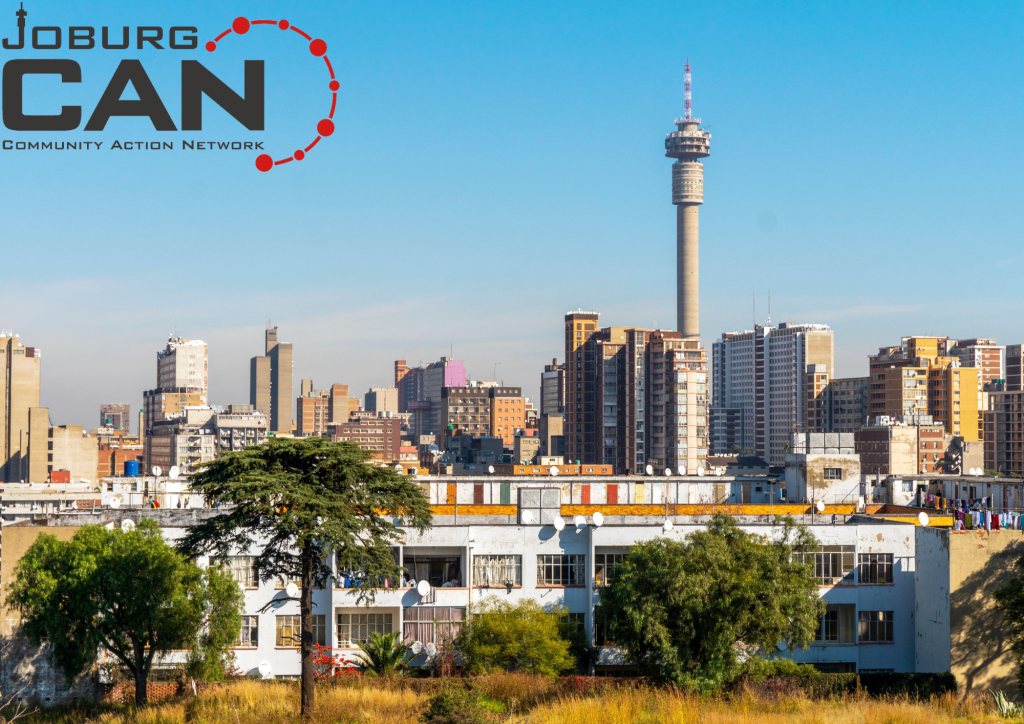
A regional financial shock is now building around Johannesburg after National Treasury moved to withhold the equitable share transfers from the City of Johannesburg and several neighbouring Gauteng municipalities, JoburgCAN CEO Julia Fish said.
Fish said the decision should not be viewed as a narrow compliance matter affecting individual municipalities. It places direct pressure on the economic region that Johannesburg depends on for labour, investment, services, trade and confidence.
National Treasury has named the City of Johannesburg, Emfuleni, Lesedi, Sedibeng District Municipality, Merafong City and Rand West City among the Gauteng municipalities affected by the July withholding.
Treasury has said transfers will resume only once affected municipalities meet the required conditions and submit proper proof that those conditions have been met. JoburgCAN said there is no clear signal that this will be a once-off event for every municipality.
JoburgCAN understands that the City of Joburg financial turnaround strategy and discussions with National Treasury means the grant is merely delayed in the metro’s case, not entirely withheld, but the risk is wider than just Joburg.
Fish said even if the ESG for Johannesburg is released later this month, if this is not the case for Emfuleni, Sedibeng, Lesedi, Merafong or Rand West City the economic and social pressure of the decision will remain
“Johannesburg is the centre of Gauteng’s economic system. When the City and surrounding municipalities are financially weakened at the same time, the pressure will move across municipal boundaries through people movements, business uncertainty, capital outflows and deteriorating service delivery.”
Fish said this severely undermines any credible turnaround strategy for the City of Johannesburg and the region as a whole.
“The Presidential Johannesburg Working Group is already battling to hold City leaders accountable and force a credible recovery path. A regional municipal funding shock will make that work harder, slower and more fragile.”
For Johannesburg residents, the funding freeze lands on top of an already serious electricity threat. The ESG grant directly impacts marginalised and poor communities and who access services through the various municipal indigent programmes.
Furthermore, JoburgCAN said residents may soon face the double blow of a Treasury equitable share freeze and possible Eskom throttling linked to the City and City Power’s arrears. The lack of Equitable Share allocations to entities City Power and Joburg Water from the core municipality is slowing access to communities who cannot afford the excessive services increases.
“Residents are being hit from both directions as well as rates and tariff increases as of 1 July across the billing spectrum,” said Fish.
JoburgCAN called on the City of Johannesburg to urgently publish a clear public plan setting out how it will meet Treasury’s conditions, protect essential services, settle bulk supplier obligations and ring-fence revenue collected for electricity, water and other core services.
“Treasury has said they don’t foresee an impact on service delivery as this is a short-term measure, but in reality the municipalities are dealt this sanction because they are in financial difficulty so the impact is already there. Decisive punitive measures against the administrations officials will be the only mechanism that sees true financial turnaround, not impacting residents already seeing diminished and irregular services”, warned Fish.